
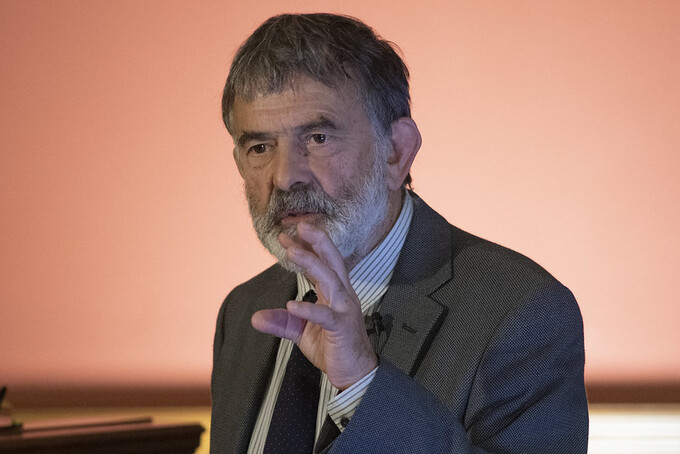
The Art of the State: Modelling the endpoints of evolution by natural selection – John M. McNamara tiszteleti tag székfoglaló előadása
John M. McNamara tiszteleti tag 2023. október 10-én megtartotta akadémiai székfoglalóját. Az angol nyelvű előadásról szóló, képgalériával és videóval bővített összefoglaló.
TOVÁBB
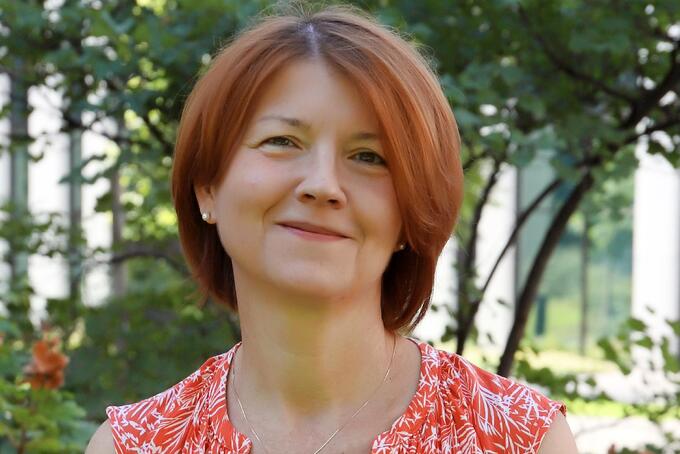
Lendületesek: Kiss Viktória
A Kárpát-medencei bronzkorban hatalmas társadalmi változások zajlottak a mai Magyarország területén élő népességben. Ezeket a folyamatokat, illetve az itt élt emberek jellegzetességeit kutatja Kiss Viktória, a HUN-REN Bölcsészettudományi Kutatóközpont Régészeti Intézet tudományos főmunkatársa, az MTA–BTK Lendület Bázis Kutatócsoport vezetője és munkatársai. Vizsgálataikhoz a legmodernebb informatikai és genetikai, illetve izotóp-geokémiai módszereket hívják segítségül.
TOVÁBB
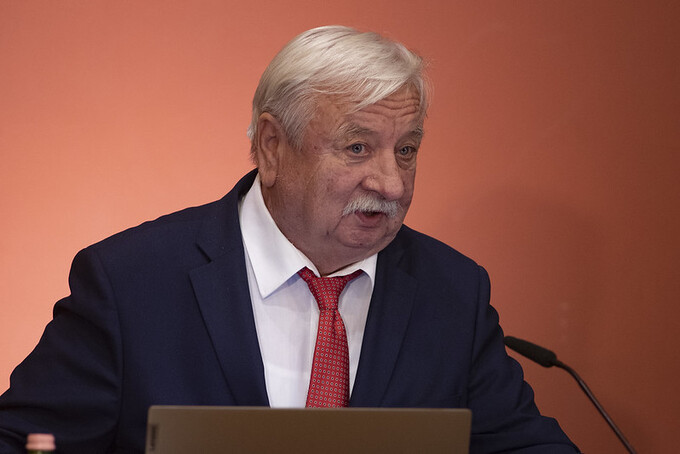
A geográfiai/tájökológiai tudományok alkalmazásai és a környezetpolitika – Miklós László külső tag székfoglaló előadása
Miklós László külső tag 2023. október 17-én megtartotta akadémiai székfoglalóját. Az előadásról szóló, képgalériával és videóval bővített összefoglaló.
TOVÁBB
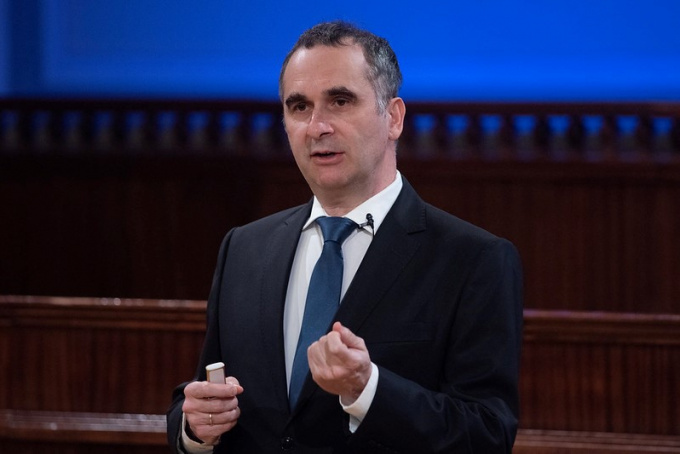
A négydimenziós tér kibogozása – bemutatjuk Stipsicz András ERC-nyertes kutatási témáját
Az Európai Kutatási Tanács Advanced Grant támogatása csaknem 800 millió forinttal jár, amit az utolsó fillérig tiszta matematikára lehet elkölteni. Stipsicz András pedig ebből a pénzből nem kisebb feladatra vállalkozott, mint hogy kollégáival a négydimenziós tér törvényszerűségeit vizsgálja. Cikkünkben kísérletet teszünk arra, hogy bemutassuk, mire is készül.
TOVÁBB
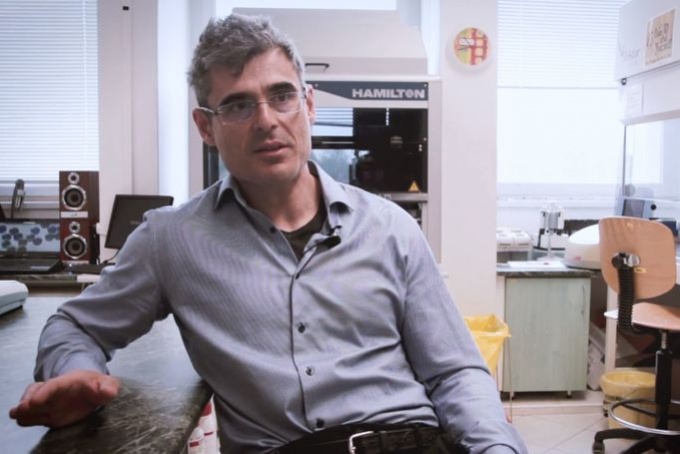
Rossz hírek az új antibiotikumokról – interjú Pál Csaba akadémikussal
Pál Csaba, a HUN-REN Szegedi Biológiai Kutatóközpont tudományos tanácsadója már negyedszer nyerte el az Európai Kutatási Tanács (ERC) támogatását: most a zsűri a vezető kutatóknak szóló Advanced Grant kategóriában ítélte támogatásra érdemesnek a pályázatát. A téma korunk (pontosabban a közeljövő) talán legsúlyosabb egészségügyi problémája – sokak szerint előrelátható katasztrófája –: a baktériumok antibiotikum-rezisztenciája. A kutató munkatársaival azt fogja vizsgálni, hogy a gyógyszergyártók által most fejlesztett új típusú antibiotikumok mennyire ellenállók a baktériumok ellenálló képességével szemben.
TOVÁBB
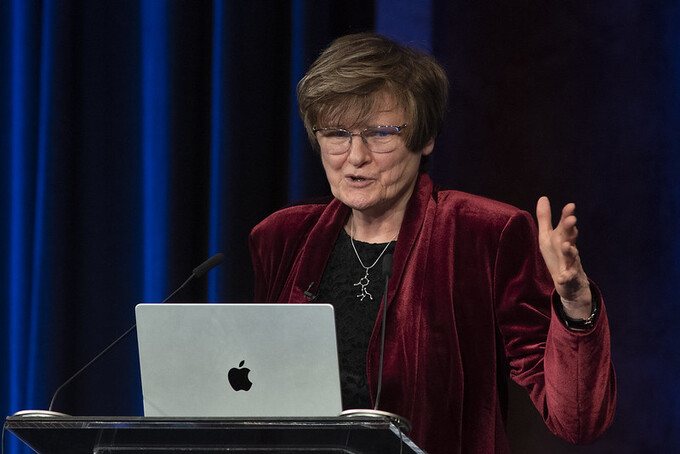
Az mRNS terápiás alkalmazása – Karikó Katalin tiszteleti tag székfoglaló előadása
Karikó Katalin tiszteleti tag 2024. április 9-én tartotta akadémiai székfoglalóját. Az előadásról szóló, képgalériával és videóval bővített összefoglaló.
TOVÁBB
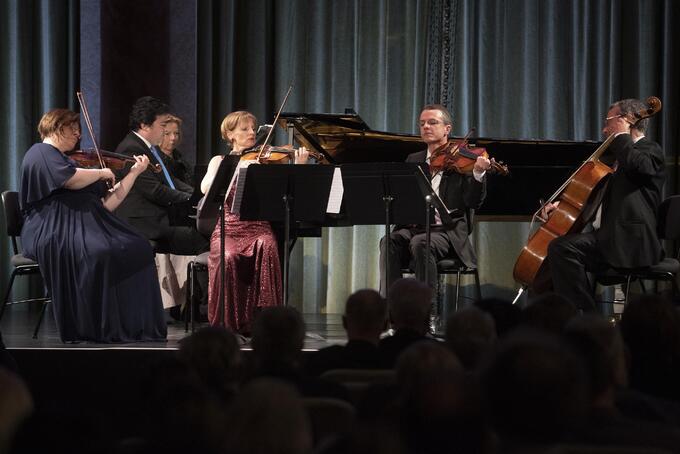
„Egészséges örömforrás” – Művészeti estek az Akadémián XI.
Mendelsshon és Dohnányi ifjúkori remekművei, Atlasz Gábor festőművész képei és a csopaki Jásdi Pincészet borai voltak a Magyar Tudományos Akadémia és az Akadémiai Klub Egyesület tizenegyedik alkalommal, április 8-án megrendezett művészeti estjének fókuszában. A Pesti Vigadóban a Grassalkovich Vonósnégyes és Balázs János Kossuth-díjas zongoraművész által adott hangversenyen, majd az MTA Székház Vörösmarty- és Kodály-termében rendezett kiállításmegnyitón és borbemutatón a jelenlévők megtapasztalhatták, hogy a művészet egészséges örömforrás.
TOVÁBB
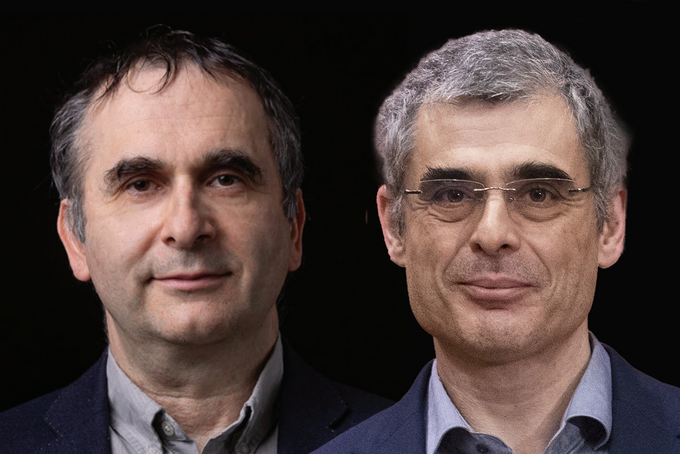
Stipsicz András és Pál Csaba akadémikusok elnyerték az Európai Kutatási Tanács Advanced Grantjét
Stipsicz András matematikusnak, az MTA rendes tagjának és Pál Csaba biológusnak, az MTA levelező tagjának is odaítélte az Európai Kutatási Tanács az elmúlt tíz évben jelentős kutatási eredményeket elérő, vezető kutatók számára kiírt Advanced Grantet.
TOVÁBB


Ferge Zsuzsa, a társadalmi egyenlőtlenségek úttörő kutatója
Életének 93. évében, 2024. április 4-én elhunyt Ferge Zsuzsa szociológus, a Magyar Tudományos Akadémia rendes tagja, a magyar és a nemzetközi társadalomtudomány meghatározó alakja.
TOVÁBB
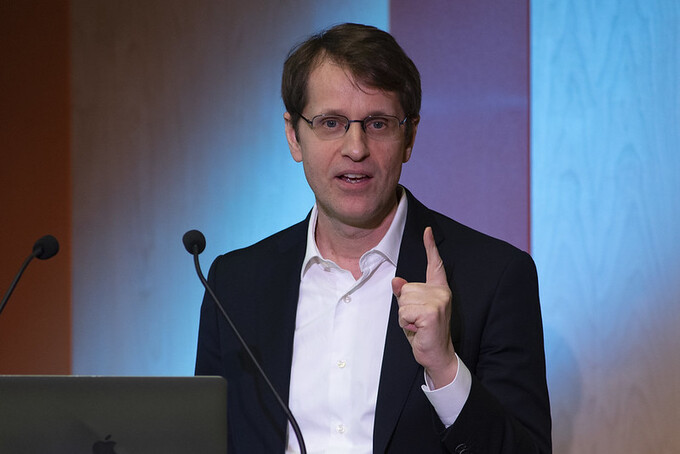
A látás helyreállítása optogenetikai módszerekkel – Roska Botond külső tag székfoglaló előadása
Roska Botond külső tag 2024. március 12-én megtartotta akadémiai székfoglalóját. Az előadásról szóló, képgalériával és videóval bővített összefoglaló.
TOVÁBB
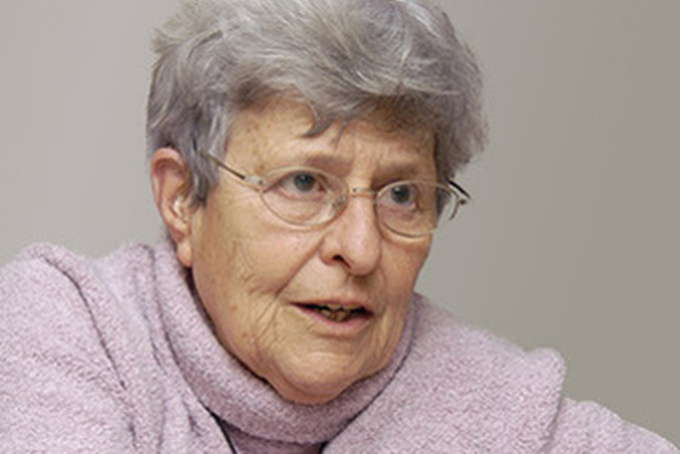
Elhunyt Ferge Zsuzsa szociológus, az MTA rendes tagja
Életének 93. évében, 2024. április 4-én elhunyt Ferge Zsuzsa szociológus, a Magyar Tudományos Akadémia rendes tagja.
TOVÁBB
Kínai delegáció a Magyar Tudományos Akadémián
2024. április 8-án a Kínai Tudományos Akadémia (CAS) delegációja látogatást tett a Magyar Tudományos Akadémián, hogy a felek megtárgyalják négy évtizede fennálló tudományos kapcsolataik bővítésének és a 3. Selyemút Fórum Budapesten – az MTA alapításának 200. évfordulójához kapcsolódó eseménysorozat részeként – történő megrendezésének lehetőségét.
TOVÁBB
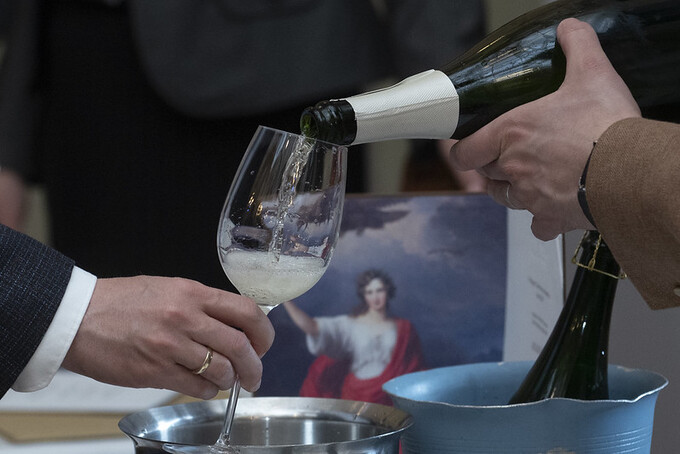
Széles körű szakmai érdeklődés, kiemelkedő pezsgősor az akadémiai borversenyen
Tokaj, Csopak, Szekszárd és Villány borai taroltak az MTA idei borversenyén. A borok mellett kiemelkedő minőségű pezsgősor mutatta meg, hogy ez a kategória is a nemzetközi élvonalat képviseli.
TOVÁBB
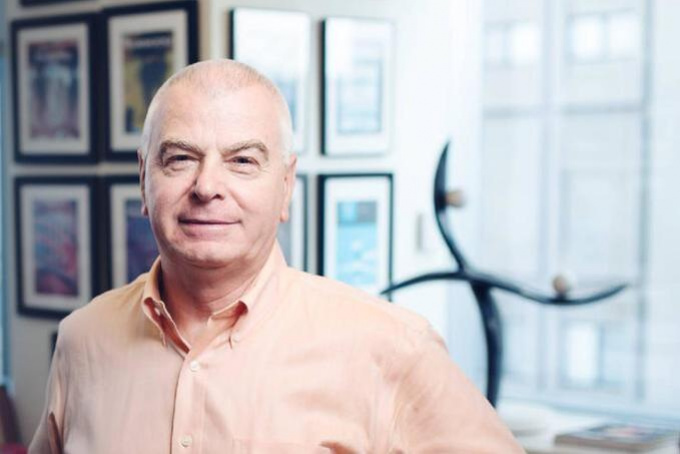
Magyar agykutató irányításával oldották meg a memória egyik nagy talányát
Rengeteg élmény ér minket nap mint nap, de ezeknek csak egy része rögzül a memóriánkban. Egészen eddig azonban az idegkutatók sem tudták, hogy milyen mechanizmus „jelöli meg” a megjegyzésre érdemes információkat. Buzsáki György, a New York-i Egyetem Idegtudományi Központjának Biggs-professzora, a Magyar Tudományos Akadémia külső tagja és munkatársai a Science folyóiratban publikálták legújabb felfedezéseiket, amelyek arra utalnak, hogy a Buzsáki által negyven éve felfedezett, úgynevezett „éleshullám-fodrozódások” (az idegsejtek rendkívül gyors ütemű szinkronizált tüzelése) emelnek ki bizonyos élményeket, amelyek aztán az alvás során újból lejátszódnak, és így rögzülnek.
TOVÁBB


Akadémiai támogatás az MTA doktora cím megszerzéséhez és a tudományos eredmények publikálásához kisgyermekes kutatóknak
Negyvenhárom fiatal kutató nyerte el a Magyar Tudományos Akadémia pályázatán azt az ösztöndíj-támogatást, amelyet az MTA a gyermeket nevelő kutatók tudományos előmenetelének elősegítése érdekében hirdetett meg.
TOVÁBB
_1-7_screenshot_680_454_1711615244_fill_270x180.png)
_1-7_screenshot_680_454_1711615244_fill_680x454.png)
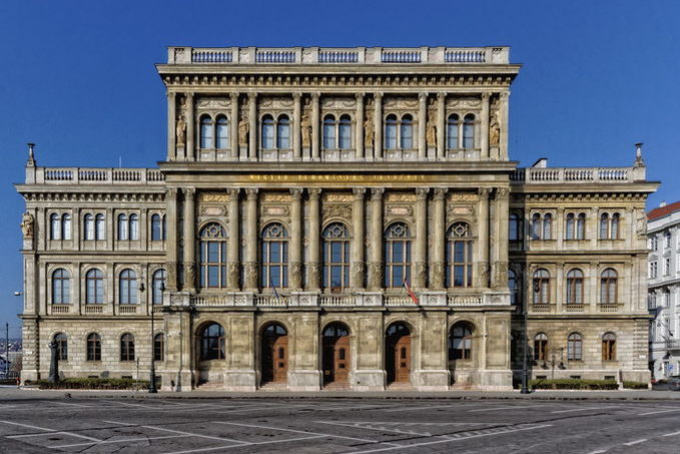
Tájékoztatás az MTA Székház rekonstrukciójának előrehaladásáról
A Székház-rekonstrukció I. ütemének megvalósítása 2023 júliusában kezdődött meg az Akadémia saját forrásából, és a 2025-ben sorra kerülő ünnepi eseményekig befejeződik. Oberfrank Ferenc köztestületi igazgató tájékoztatása a felújítás jelenlegi helyzetéről.
TOVÁBB
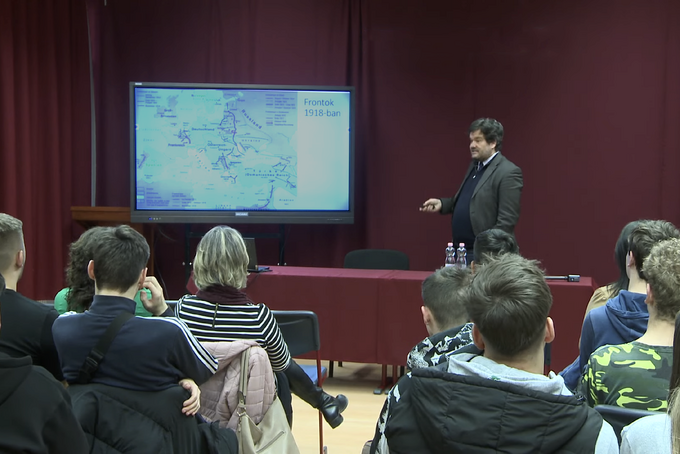
Mi lett volna, ha? – Videón Ablonczy Balázs történész a Középiskolai MTA Alumni Programban tartott előadása
Alakulhattak volna-e másként a történelmi események az első világháború után, ha adott döntési pontokon másként határoz a politikai elit vagy a társadalom egy része? Egyebek mellett erre a kérdésre kereste a választ Ablonczy Balázs történész a Középiskolai MTA Alumni Program keretében gimnazistáknak tartott előadásában.
TOVÁBB


Az ALLEA nyilatkozata az európai kutatás és innováció jövőjéről
Az ALLEA tavaly év végén hozta nyilvánosságra nyilatkozatát arról, milyennek szeretné látni az EU soron következő kutatási és innovációs keretprogramját, az FP10-et. Bár még 4 év van az FP10 indulásáig, amely a 2028–2034 közötti időszakot fedi majd le, a keretprogram tartalmának és pénzügyi hátterének tervezése már elindult az Unió szakértő testületeinek berkeiben. Ebbe a tervezési folyamatba illeszkedik az ALLEA legfrissebb nyilatkozata, amely külön hangsúlyozza az Európai Kutatási Térség tagországainak és intézményeinek minél szélesebb körű bevonását az európai kutatási keretprogramba.
TOVÁBB
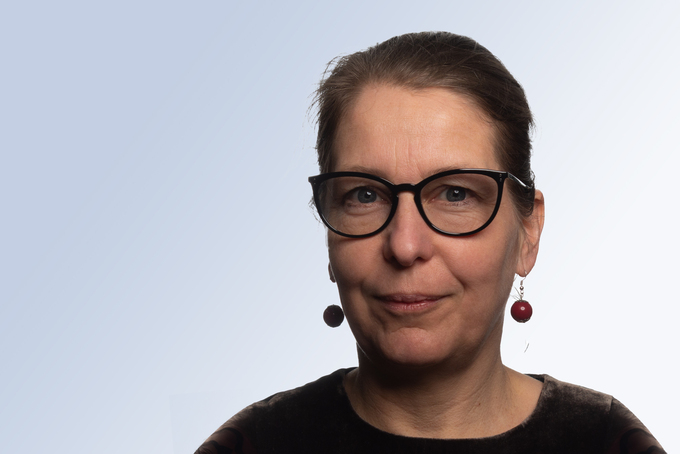
Lendületesek: Király Ildikó
Beszélgetéseink során gyakran idézünk fel olyan emlékeket, és meséljük el őket lelkesen, teljes átéléssel a beszélgetőtársainknak, amelyek valójában meg sem történtek, csupán elménk szüleményei. Ezek nem hazugságok, hiszen mi magunk is úgy hisszük, hogy valóban megtörténtek velünk. Király Ildikó egyetemi tanár, az ELTE Kognitív Pszichológia Tanszék vezetője és a Lendület MTA–ELTE Társas Elmék Kutatócsoport vezetője és munkatársai ezen emlékek kialakulását, működését és adaptív szerepét fogják kutatni az elkövetkező években. Hiszen úgy tűnik, e konstruált emlékek fontos szerepet töltenek be társas kapcsolatainkban.
TOVÁBB
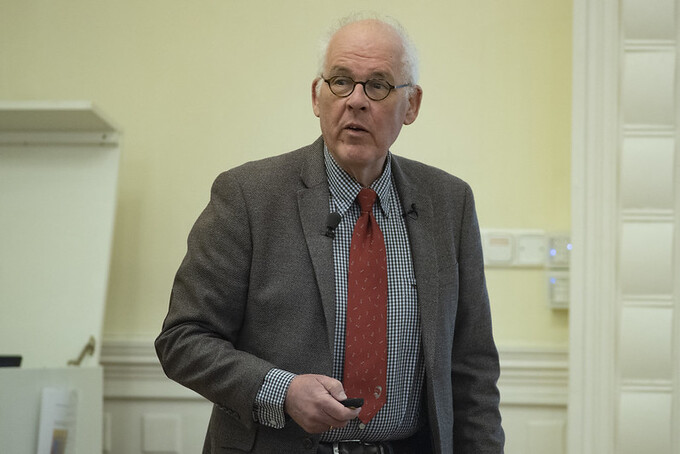
Erdős spaces – Jan van Mill tiszteleti tag székfoglaló előadása
Jan van Mill tiszteleti tag 2023. október 9-én megtartotta akadémiai székfoglalóját. Az angol nyelvű előadásról szóló, képgalériával és videóval bővített összefoglaló.
TOVÁBB
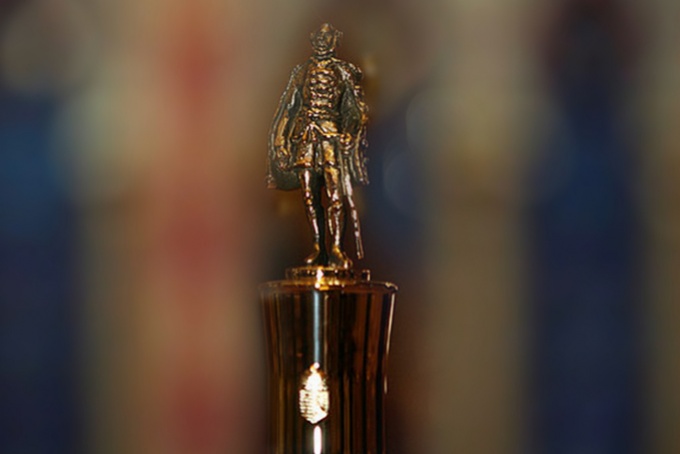
Kitüntetések a nemzeti ünnepen – Széchenyi-díj, Magyar Érdemrend
Magyarország köztársasági elnöke március 15. alkalmából kitüntetéseket adományozott. A Széchenyi-díjakat és a Magyar Érdemrend parancsnoki keresztje kitüntetéseket a Parlament kupolacsarnokában, a Magyar Érdemrend további fokozatait a Pesti Vigadóban tartott ünnepségen adták át.
TOVÁBB
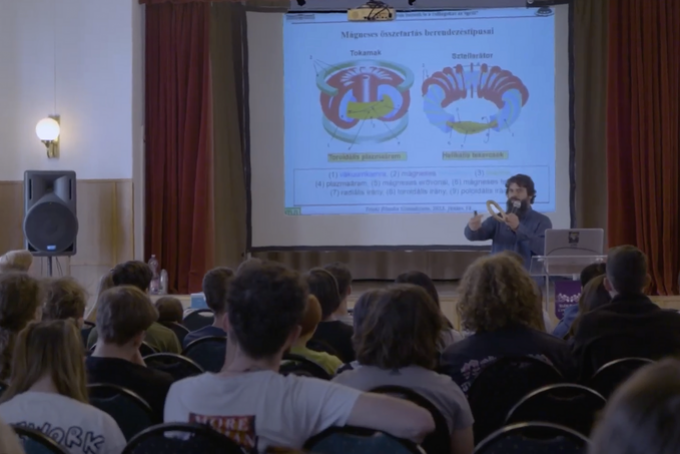
Hogyan hozzuk le a csillagokat az égről? – Videón Pokol Gergő fizikus a Középiskolai MTA Alumni Programban tartott előadása
Miként lehet a csillagok energiáját békés célokra használni itt, a Földön? Hogyan lehet ezeket a hatalmas energiákat megszelídíteni? Mi kell ahhoz, hogy a nem túl távoli jövőben már működhessenek az úgynevezett fúziós erőművek? Egyáltalán: lehetséges-e a fúzión alapuló energiatermelés? Többek között ezekre a kérdésekre kaphattak választ az érdeklődő gimnazisták Pokol Gergő előadásából.
TOVÁBB
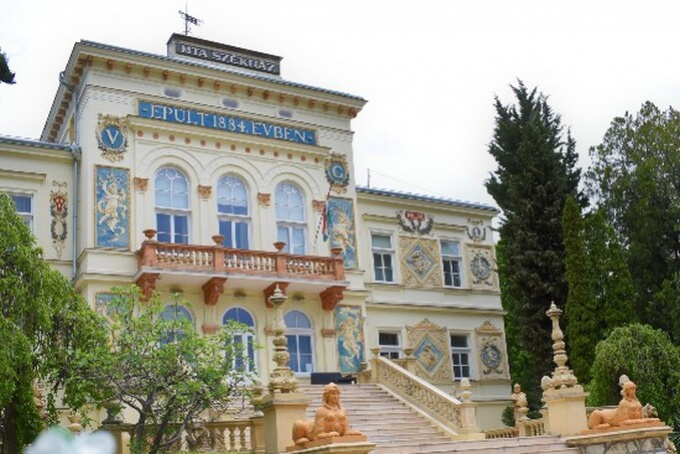
Hűség a hagyományokhoz és folyamatos megújulás – megtartották a területi akadémiai bizottságok éves közgyűléseit
„A Magyar Tudományos Akadémia egyik legfőbb erénye az elmúlt két évszázadban éppen az volt, hogy miközben hű maradt hagyományaihoz, ápolta az elődöktől, az egymást követő tudósgenerációktól örökül hagyott tradíciókat, képes volt folyamatosan megújulni” – így hangzott az MTA Elnökségének tagjai által a területi bizottságok éves közgyűlésein tartott köszöntők egyik legfőbb üzenete. Az Akadémia fennállásának 200. évfordulójához közeledve az idei év egyik kiemelt témája Debrecenben, Miskolcon, Pécsett, Szegeden és Veszprémben is a hagyomány és megújulás jegyében megvalósuló ünnepi készülődés volt.
TOVÁBB
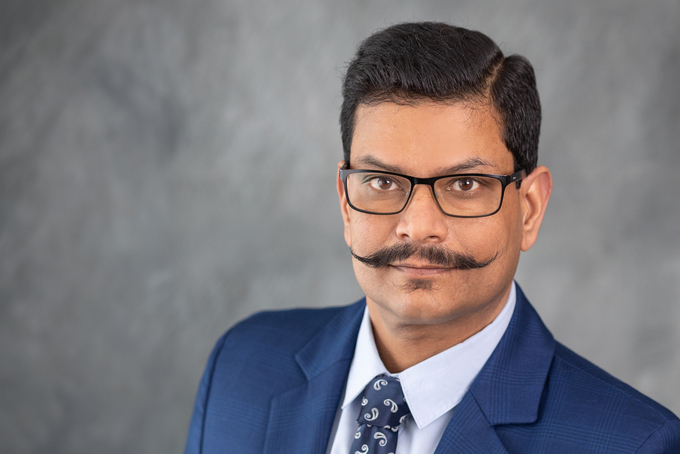
Az MTA doktorai: Bhattoa Harjit Pal a D-vitamin élettani jelentőségéről
A D-vitaminnak a legkülönfélébb biológiai folyamatokban játszott szerepe a vitaminokkal kapcsolatos kutatások talán legnépszerűbb területének számít napjainkban. Bhattoa Harjit Pal, a Debreceni Egyetem Laboratóriumi Medicina Intézet egyetemi docense, az MTA doktora már negyedszázada vizsgálja a D-vitamin csontrendszerre gyakorolt hatását (és így szerepét a csontritkulás kialakulásában), de ugyanígy kutatja munkatársaival a vitamin általános élettani és betegségekben játszott szerepét.
TOVÁBB
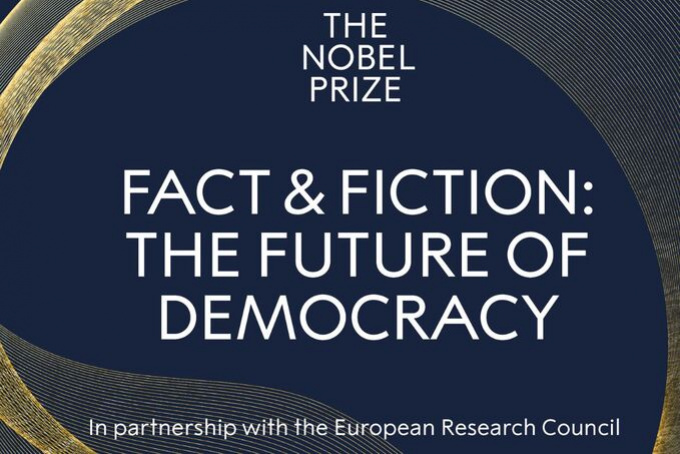
Hírek és álhírek: Nobel-díjasok a demokrácia jövőjéről kedden este
Hogyan alakul a világ demokráciáinak sorsa a 2024-es választások hatására? Milyen veszélyek fenyegetik a mesterséges intelligencia térnyerésével az egyébként is válság sújtotta demokráciákat? Van-e a kiút a jelen helyzetből a mainál egészségesebb társadalom felé? Nobel-díjasok és a tudomány kiválóságai beszélnek a fenti kérdésekről az Európai Kutatási Tanács és a Nobel-díj Bizottság közös rendezvényén 2024. március 5-én 19 órától. Kövesse élőben!
TOVÁBB
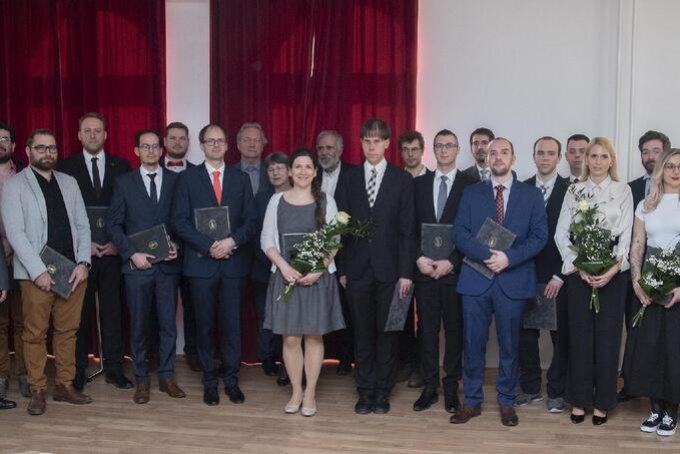
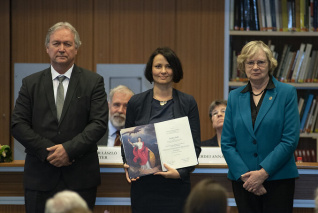
„Bátorítás az úton” – Átadták az Akadémiai Ifjúsági Díjakat
Huszonöt fiatal kutató vehette át idén az Akadémiai Ifjúsági Díjat, a Magyar Tudományos Akadémia rangos elismerését. 2024-ben a bölcsészet- és társadalomtudományok területéről hét, az élettudományok területéről szintén hét, a matematikai és természettudományok területéről pedig tizenegy fiatal díjazott kutatót köszönthetünk.
TOVÁBB
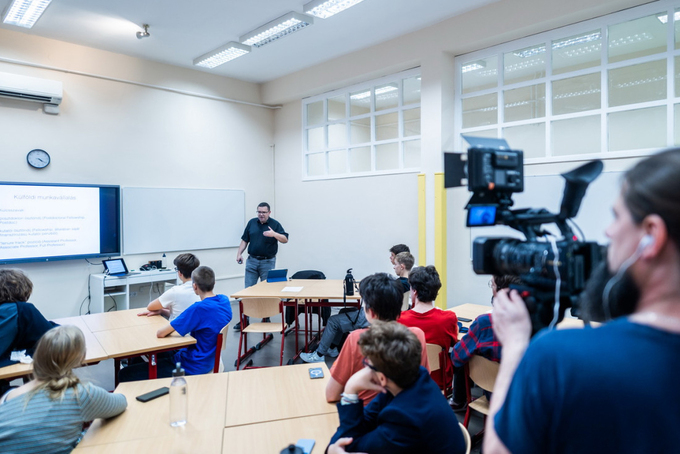
Kell egy kicsit fölfelé is néznünk – Videón Kiss L. László csillagász, akadémikus a Középiskolai MTA Alumni Programban tartott előadása
Miért érdemes egy kutatónak világot látni, majd miért tér haza mégis? Mitől meghatározó a kutatói munka mellett az eredmények publikálása? Mit kell tenni azért, hogy az MTA doktora, majd az Akadémia rendes tagja váljon egy kutatóból? Egyebek mellett ezekre a kérdésekre is választ kaphattak a budapesti Alternatív Közgazdasági Gimnázium diákjai Kiss László akadémikusnak a Középiskolai MTA Alumni Program keretében tartott előadásából, amelyen az is kiderült, hogy mitől is olyan izgalmas az exobolygók kutatása. A rendezvényen forgatott kisfilmek a cikkben megnézhetők.
TOVÁBB
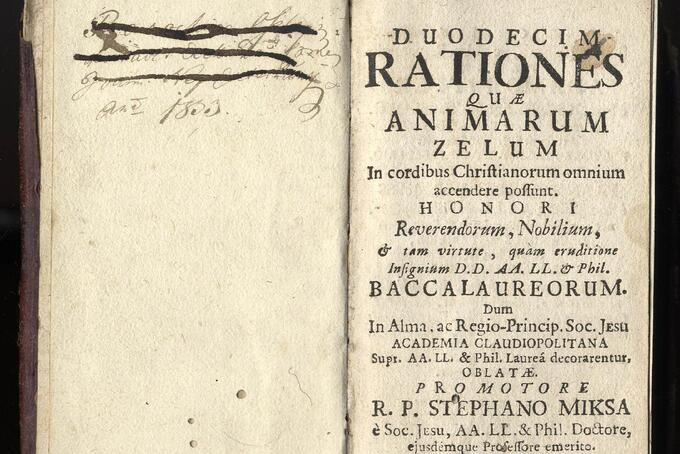
Erdélyi kiadványok, tudományos kötetek, ritka nyomtatványok – három hagyatékból származó gyűjteményekkel gazdagodott az MTA Könyvtár és Információs Központ
Benkő Samu erdélyi művelődéstörténész, az MTA külső tagja, Frank Tibor történész, az MTA rendes tagja, valamint Horváth József bibliográfus, antikvárius örökösei egyaránt a Magyar Tudományos Akadémia Könyvtár és Információs Központ számára ajánlottak fel olyan könyv- és nyomtatványritkaságokat is tartalmazó hagyatékokat, amelyek kutatók számára is fontos források lehetnek. Az adományok befogadásáról Monok István, az MTA KIK főigazgatója javaslata és Kollár László Péter, az MTA főtitkárának előterjesztése alapján a Vezetői Kollégium döntött.
TOVÁBB


A műanyagszemét korlátozásához körforgásos gazdaságra van szükségünk az EASAC szerint
Rendszerszintű hiányosságok miatt termelünk és használunk fel egyre több műanyagot, s így egyre több műanyag kerül ki tengeri, szárazföldi és édesvízi élőhelyekre – derül ki az Európai Akadémiák Tudományos Tanácsadó Testülete, az EASAC a legújabb kutatásokat összefoglaló kommentárjából. Ha maradnak a jelenlegi üzleti eljárások és fogyasztási mintázatok, akkor a műanyaghulladék mennyisége globálisan várhatóan majdnem a háromszorosára nő 2060-ig. Az EASAC átfogó reformokat javasol az élőhelyek és az emberi egészség megóvása érdekében.
TOVÁBB
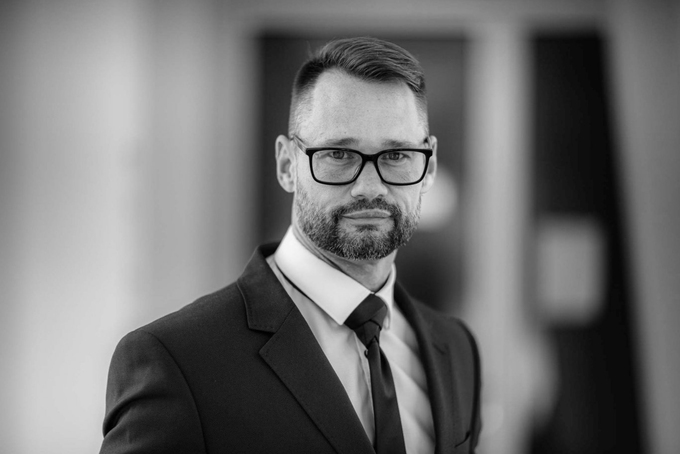
Elhunyt Jakab Ferenc
Életének 47. évében, 2024. február 16-án elhunyt Jakab Ferenc virológus, az MTA doktora, a Pécsi Tudományegyetem Természettudományi Karának egyetemi tanára, rektorhelyettes, a Virológiai Nemzeti Laboratórium vezetője. Személyében egy fiatal, de kutatóként, oktatóként és tudományos tanácsadóként egyaránt jelentős eredményeket elért szakértőt veszített el a kutatói közösség.
TOVÁBB
- 2144 találat